
A Guide to Apostilles and International Authentication
Most people only hear the word "Apostille" when they are in a rush to work, study, or marry abroad. This post breaks down the confusing gap between an Apostille and an Authentication.
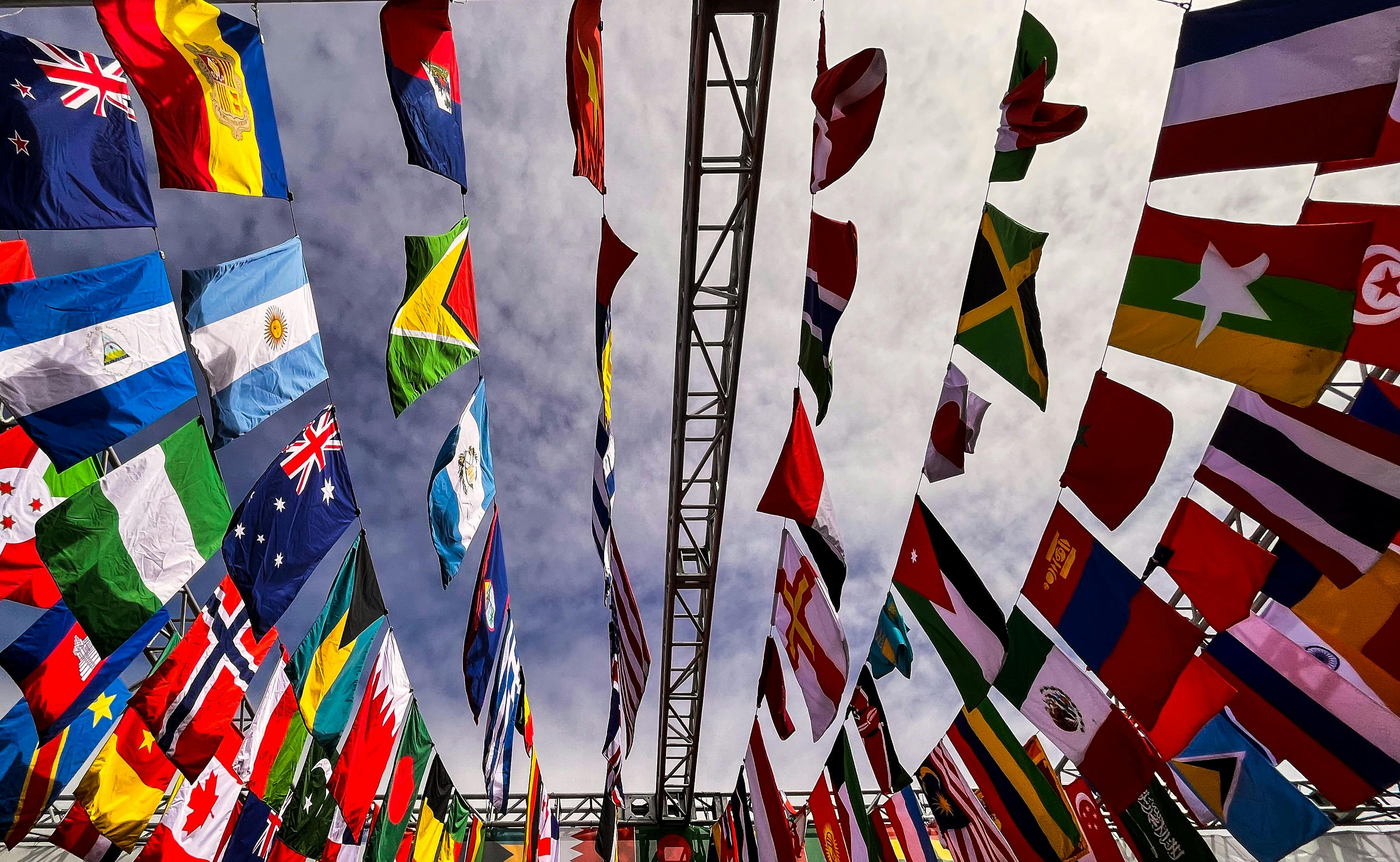
When your life or business moves across borders, your documents have to move with you. But a local notary stamp that works in Camden County isn't always enough for a government in Paris or Tokyo.
This is where the concepts of Apostilles and Authentications come in. While they are often used interchangeably, understanding the technical difference is the key to ensuring your documents aren’t rejected at the finish line.
What is Legalisation?
Before we dive into the specific certificates, we have to look at the "big picture" process called Legalisation. Legalisation is the formal process of certifying a public document so it can be legally recognized in another country.
There are two primary ways to achieve this:
1. The Traditional "Chain" of Authentication: A multi-step process that often requires signatures from the Secretary of State, the U.S. Department of State, and finally, the Embassy or Consulate of the destination country.
2. The Apostille: A simplified, one-step form of legalization that replaces that entire chain.
The Power of the Apostille (The Hague Convention)
The Apostille Convention (formally the Hague Treaty of 1961) was created specifically to cut through international red tape.
When a document is destined for a "Contracting Party” a country that has signed the treaty—a single certificate called an Apostille is all that is required to certify the origin of that document. As of the latest handbook edition, this "apostillisation" process is the gold standard for international document exchange.
What Counts as a "Public Document"?
You cannot get an apostille for just anything. According to the handbook, an apostille can only be issued for a Public Document—which is any document executed by an authority or individual acting in an official capacity.
Common examples include:
· Vital records like birth, death, or marriage certificates.
· A Notary Public’s signed and sealed notarial certificate.
· Court documents or administrative papers.
The Anatomy of an Apostille: The Model Certificate
An official apostille must follow a very specific format to be valid internationally. It is based on a Model Certificate that must include 10 standard informational items.
To be "Properly" executed, an apostille must:
· Be clearly identified as an "Apostille".
· Include the short French title of the Convention (Convention de La Haye du 5 octobre 1961).
· Be issued by a Competent Authority (in the U.S., this is typically the Secretary of State).
The Physical Certificate (The Allonge)
While the world is exploring digital options, the gold standard in New Jersey remains the physical certificate. In the legal world, this attachment is known as an Allonge.
An Allonge is a French term for a slip of paper permanently attached to a legal document to provide space for additional endorsements—in this case, the Apostille itself. According to the Handbook on Apostilles, this certificate must be securely fastened to the underlying public document.
What to Expect on Your Certificate: A properly executed physical Apostille will be attached to your document (often via a heavy-duty staple or grommet) and will feature the issuing state's official gold or raised seal. To be valid under the Hague Convention, this Allonge must contain 10 specific numbered fields, including:
· The name of the country issuing the certificate.
· The name of the person signing the public document.
· The capacity in which that person acted.
· The place and date of issuance.
A Note on Security: It is critical that the Allonge remains attached exactly as it was issued. The Handbook emphasizes that any sign of tampering, or the removal of the staple or seal, can lead to the document being rejected by the recipient country. When you receive your authenticated documents from Notary Proper, they are ready for international use exactly as they are bound.
Why Precision Matters
The handbook notes that documents are frequently rejected due to a lack of consistency in format or design. Whether you are dealing with a traditional "Allonge" (a paper slip attached to your document) or a modern digital seal, the execution must be flawless.
Navigating the gap between a local notarization and an international authentication requires an "appraisal-grade" eye for detail. At Notary Proper, we ensure your documents are handled correctly the first time, so your global transitions are seamless.